Much as been written about today’s multigenerational workforce with its diversified work styles, communication ways, language, values, and perspectives. Having three or four generations interacting in an organization is the beginning of creating a community where everyone can feel that they belong and have something to contribute.
When a workplace community exists, it provides ways for new employees to feel welcomed and enables them to integrate into the organization more quickly and effectively. A viable workplace community strengthens ties between people no matter position, status within the organization, allowing loyalty, respect, bonding, and trust to deepen. And, last, but certainly not least, a true organizational community gives the senior-level staff and executives a reason to remain motivated, engaged and involved.
How do you find and build on the common and compatible points that exist among the generations? Storytelling is a powerful tool that everyone can use and see its application in building a talent community. People love to tell a story, an anecdote, an incident that reflects who they are and experiences that have had an impact on them. Stories allow people to share, empathize, find their common ground, identify with, and learn outside a structured classroom and formalized training.
Stories can be told from either the individual or organization’s perspective. Junior-level employees can tell stories/anecdotes, for example, about their background, passions, career goals, work expectations, interests, images of organization – information that their peers can identify with and that management can begin to form ideas about potential leadership candidates. On the other hand, senior-level staff can share stories about the organization and their own work achievements, for example, regarding the organization’s brand, culture, vision, mission, and epic successes.
Stories can be exchanged, for example, during new employee orientation, introduction of a work team, initiation of a mentoring program, an organizational networking event, at a department/division meeting – with a facilitator for this activity. The role of story cannot be ignored when trying to create a community – its authenticity, purpose, and power leads to a sense of belonging, greater productivity, and identification. The end result is that a multigenerational workforce will feel, “we aren’t that all different after all, we can work together with understanding acceptance and respect!”
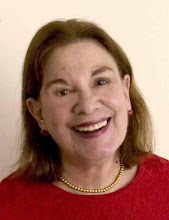
Email comments to: Annabelle Reitman, Ed.D. Career Management Strategist, Author
Email: anreitman@verizon.net
Showing posts with label multigenerational workforce. Show all posts
Showing posts with label multigenerational workforce. Show all posts
Friday, March 12, 2010


Tuesday, February 23, 2010
Multigenerational Workplace: Strategies for Performance and Talent
Most people are aware that today’s workplace consists of a multi-generational staffing working side by side, managing each other or on the same team or work project. However, having grown-up in different times, experiencing different world events ways, and raised with different values and philosophies, it is expected that some clashes exist of perspectives, expectations, work habits, and, communication styles in the workplace. However, why must the focus be on the differences between the generations, rather than the commonalities?
Successful organizations develop strategies resulting in a multigenerational staff effectively working together, learning from one another, and having respect for each other. They are “talent smart” being adaptable, innovative, and creative. What are some strategies that can emphasize commonalities among the generations and build a more “we” organizational culture? How can we keep the best talent, no matter their age, engaged and productive? Effective strategies address multigenerations’ value and want they want to experience in the workplace and at the same time taking into account the differences of the methods, tools, and procedures used. Strategies can include:
Strategy: Work and Life Balance
When people are experiencing a good balance between their work and personal lives, they feel the organization is well functioning and supportive and want to remain. One element of work/life balance important to all generations is flexibility regarding how they carry out their responsibilities – how work is done. Nevertheless, flexibility is viewed differently by each generation, from the traditionalists who feel that “I’ve earned it to Boomers who state “I want it” to X’ers who feel they deserve it to the young Y’s who expect to be able to work anywhere, anytime.
Flexibility can be provided in various ways to meet the lifestyles of a multigenerational workforce, e.g. company blackberries, cell phones, and laptops, flextime, working from home, teleconferencing, and Skype.
Strategy: Two-Way Communications and Trust
One of the major differences between the generations is communication styles and how they interact with other people. Older generations tend not to question or challenge authority or the status quo, while the younger ones believe they are free to speak up and should not just accept what is being told to them.
All employees, regardless of age, want to work with people who are believable and trustworthy. They want to feel that everyone is “up front” regarding commitments and agreements. An open-communications system builds trust – a basis for encouraging and strengthening loyalty. This is especially important when involved in short-term projects or virtual teams. Two-way communications is a contributing factor towards senior-level employees to stay engaged and for the younger generations to commit to the organization’s culture and values and become its future leaders.
Strategy: Recognition and Respect
No matter the age, everyone wants to be appreciated for their accomplishments; an indication of acknowledgement. However, different age groups define this differently.
To meet these changing expectations, increasingly organizations are offering customized rewards programs. If rewards are not individually tailored, they will not act as a motivator as desired. Conduct a survey to learn what employees want as rewards and how they want to be recognized. In addition to financial compensation and time-off, requests can include: an award given in front of peers, a thank you note from supervisor, acknowledgement of employment anniversary date.
Summary
Valuing human capital as an asset is just a good business practice, which is creating a “talent point of view” mindset throughout the organization. From top leadership to front-line supervisors, the emphasis should be on building a work environment whereby all employees are supported and nurtured to remain passionate, resilient, and competitive.
The attention given to the mix of generations in the workplace should be on the common experiences and expectations shared. Different is neither right nor wrong, just different.
It is important that each individual’s unique talents and contribution are honored and celebrated – that is respected and valued.
Email comments & other strategies to: Annabelle Reitman, Ed.D. Career Management Strategist, Author anreitman@verizon.net
Successful organizations develop strategies resulting in a multigenerational staff effectively working together, learning from one another, and having respect for each other. They are “talent smart” being adaptable, innovative, and creative. What are some strategies that can emphasize commonalities among the generations and build a more “we” organizational culture? How can we keep the best talent, no matter their age, engaged and productive? Effective strategies address multigenerations’ value and want they want to experience in the workplace and at the same time taking into account the differences of the methods, tools, and procedures used. Strategies can include:
Strategy: Work and Life Balance
When people are experiencing a good balance between their work and personal lives, they feel the organization is well functioning and supportive and want to remain. One element of work/life balance important to all generations is flexibility regarding how they carry out their responsibilities – how work is done. Nevertheless, flexibility is viewed differently by each generation, from the traditionalists who feel that “I’ve earned it to Boomers who state “I want it” to X’ers who feel they deserve it to the young Y’s who expect to be able to work anywhere, anytime.
Flexibility can be provided in various ways to meet the lifestyles of a multigenerational workforce, e.g. company blackberries, cell phones, and laptops, flextime, working from home, teleconferencing, and Skype.
Strategy: Two-Way Communications and Trust
One of the major differences between the generations is communication styles and how they interact with other people. Older generations tend not to question or challenge authority or the status quo, while the younger ones believe they are free to speak up and should not just accept what is being told to them.
All employees, regardless of age, want to work with people who are believable and trustworthy. They want to feel that everyone is “up front” regarding commitments and agreements. An open-communications system builds trust – a basis for encouraging and strengthening loyalty. This is especially important when involved in short-term projects or virtual teams. Two-way communications is a contributing factor towards senior-level employees to stay engaged and for the younger generations to commit to the organization’s culture and values and become its future leaders.
Strategy: Recognition and Respect
No matter the age, everyone wants to be appreciated for their accomplishments; an indication of acknowledgement. However, different age groups define this differently.
To meet these changing expectations, increasingly organizations are offering customized rewards programs. If rewards are not individually tailored, they will not act as a motivator as desired. Conduct a survey to learn what employees want as rewards and how they want to be recognized. In addition to financial compensation and time-off, requests can include: an award given in front of peers, a thank you note from supervisor, acknowledgement of employment anniversary date.
Summary
Valuing human capital as an asset is just a good business practice, which is creating a “talent point of view” mindset throughout the organization. From top leadership to front-line supervisors, the emphasis should be on building a work environment whereby all employees are supported and nurtured to remain passionate, resilient, and competitive.
The attention given to the mix of generations in the workplace should be on the common experiences and expectations shared. Different is neither right nor wrong, just different.
It is important that each individual’s unique talents and contribution are honored and celebrated – that is respected and valued.
Email comments & other strategies to: Annabelle Reitman, Ed.D. Career Management Strategist, Author anreitman@verizon.net
Subscribe to:
Posts (Atom)